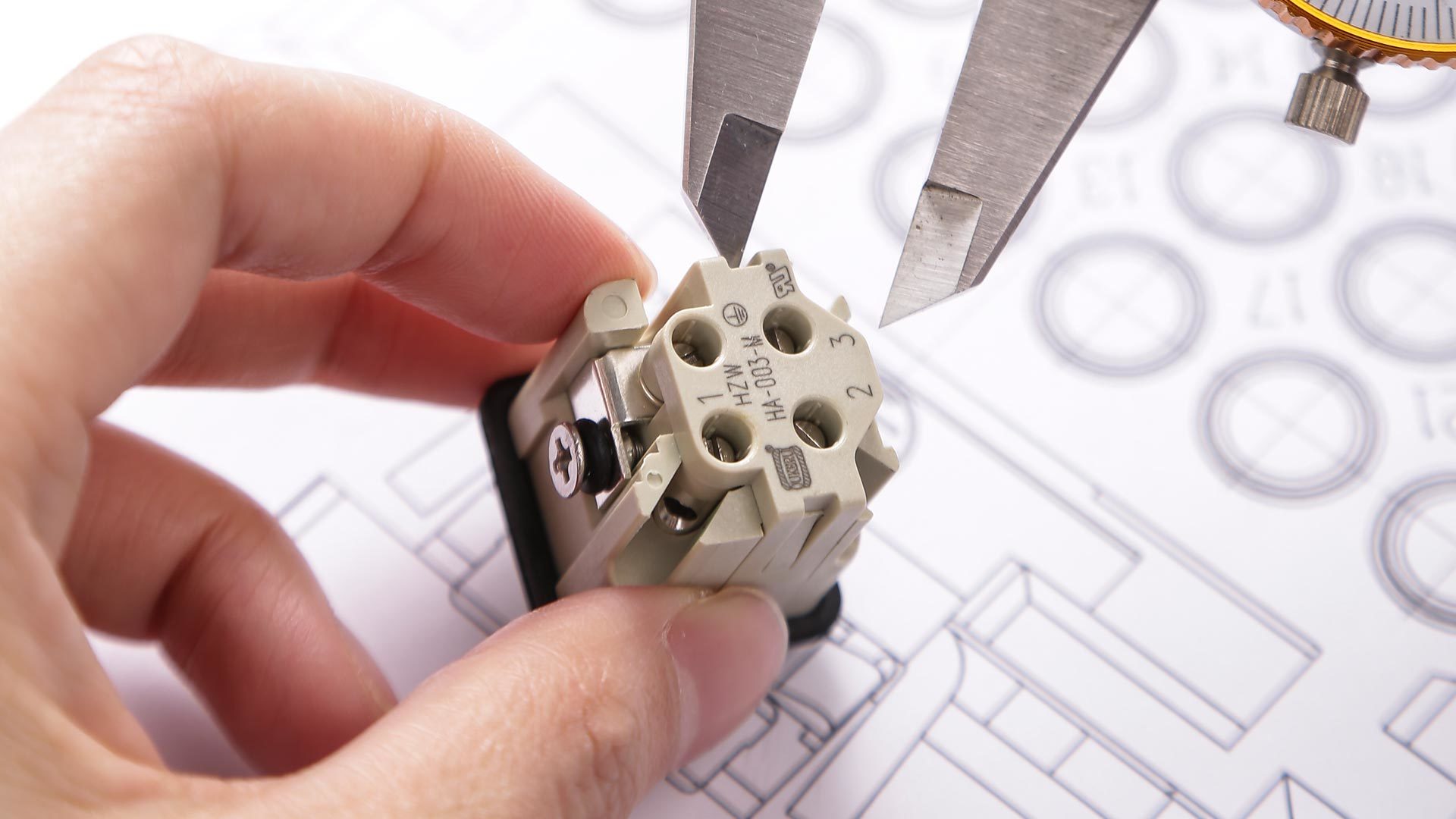
Maximizing Durability: Heavy Duty Terminal Connectors for Harsh Environments
1. Introduction to Heavy Duty Terminal Connectors In various industries, the reliability of electrical connections is paramount. Heavy-duty terminal connectors serve as critical components, ensuring safe and efficient electrical flow even under the most demanding conditions. These connectors are engineered to withstand extreme temperatures, moisture, vibration, and corrosive environments, making them ideal for applications ranging from industrial machinery to outdoor installations. In this article, we will explore the features, types, applications, and maintenance tips for heavy-duty terminal connectors, essential for maximizing durability in harsh environments.


1. Introduction to Heavy Duty Terminal Connectors
In various industries, the reliability of electrical connections is paramount. Heavy-duty terminal connectors serve as critical components, ensuring safe and efficient electrical flow even under the most demanding conditions. These connectors are engineered to withstand extreme temperatures, moisture, vibration, and corrosive environments, making them ideal for applications ranging from industrial machinery to outdoor installations. In this article, we will explore the features, types, applications, and maintenance tips for heavy-duty terminal connectors, essential for maximizing durability in harsh environments.
2. Importance of Durability in Electrical Connections
Durability in electrical connections is crucial for several reasons. First, compromised connections can lead to electrical failures, resulting in costly downtime. Second, in harsh environments, factors such as temperature fluctuations, humidity, and exposure to chemicals can degrade standard connectors, leading to potential hazards. Heavy-duty terminal connectors are designed with these challenges in mind, offering enhanced performance and safety. Their reliable construction minimizes the risk of failure, ensuring that electrical systems operate smoothly and efficiently.
3. Key Features of Heavy Duty Terminal Connectors
Understanding the features that set heavy-duty terminal connectors apart is essential for selecting the right product. Here are the key characteristics to consider:
3.1 Corrosion Resistance
Heavy-duty terminal connectors are often made from materials that resist corrosion, such as nickel-plated brass or stainless steel. This feature is particularly important in marine or chemical environments where exposure to saltwater or acids is common.
3.2 Temperature Tolerance
These connectors can operate effectively across a wide range of temperatures, from extreme cold to high heat. This temperature tolerance is crucial for applications in industrial settings, outdoor equipment, and automotive systems.
3.3 Vibration and Shock Resistance
In environments with significant movement or vibration, such as construction sites or automotive applications, heavy-duty terminal connectors are built to withstand shocks and maintain reliable connections.
3.4 Insulation Properties
Effective insulation is vital to prevent electrical shorts and ensure safety. Many heavy-duty connectors feature enhanced insulation materials, providing additional protection against environmental factors.
3.5 Sealing Mechanisms
Sealing mechanisms, such as gaskets or O-rings, are often integrated into the design of heavy-duty terminal connectors to prevent moisture and debris from entering the connection point.
4. Types of Heavy Duty Terminal Connectors
There are several types of heavy-duty terminal connectors, each designed for specific applications. Understanding these types can help users choose the right connector for their needs.
4.1 Ring Terminals
Ring terminals provide a secure connection by allowing a bolt to pass through the terminal ring. They are ideal for permanent installations where vibration may loosen other types of connectors.
4.2 Spade Terminals
Spade terminals offer a quick-connect option, allowing easy disconnection if necessary. They are common in automotive and electronic applications.
4.3 Pin Connectors
Pin connectors are designed for use in applications requiring a compact connection. They provide flexibility and can be used in various configurations.
4.4 Butt Connectors
Butt connectors are used to join two wires together. Their design makes them suitable for extending electrical circuits or making repairs.
4.5 Multi-pin Connectors
Multi-pin connectors are essential in applications that require multiple connections in a single unit. They are commonly used in complex machinery and control systems.
5. Applications in Harsh Environments
Heavy-duty terminal connectors are versatile and find use in various industries. Some of the key applications include:
5.1 Industrial Machinery
In factories and production lines, machinery operates in environments with dust, moisture, and temperature extremes. Heavy-duty connectors ensure reliable power distribution.
5.2 Automotive Systems
Automotive electrical systems are subject to vibration, temperature changes, and exposure to chemicals. Heavy-duty connectors provide the durability necessary for these conditions.
5.4 Renewable Energy Solutions
In solar and wind energy applications, connectors must withstand outdoor elements. Heavy-duty terminal connectors ensure reliable performance in these systems.
5.5 Marine and Aerospace
In marine and aerospace applications, connectors must withstand humidity, corrosion, and extreme pressures. Heavy-duty connectors are designed to meet these rigorous standards.
6. How to Select the Right Terminal Connector
Choosing the appropriate heavy-duty terminal connector involves several considerations:
6.1 Assess the Environmental Conditions
Evaluate the specific conditions in which the connectors will be used. Consider factors such as humidity, temperature extremes, and exposure to chemicals.
6.2 Determine the Electrical Load
Understanding the electrical load is critical for selecting connectors that can handle the required current and voltage without overheating.
6.3 Consider the Connector Type
Select the connector type based on the application and ease of installation. Consider factors such as space constraints and the need for quick-disconnect features.
6.4 Check for Certifications
Ensure that the connectors meet industry standards and certifications. This guarantees reliability and safety during operation.
7. Maintenance Tips for Longevity
To maximize the lifespan of heavy-duty terminal connectors, regular maintenance is essential:
7.1 Regular Inspections
Schedule routine inspections to check for signs of wear, corrosion, or damage. Early detection can prevent failures.
7.2 Clean Connectors Periodically
Remove dirt, dust, and moisture build-up from the connectors. Use appropriate cleaning solutions to maintain the integrity of the materials.
7.3 Re-torque Connections
Over time, connections can loosen due to vibration. Regularly check and re-torque connections to maintain a secure fit.
7.4 Replace Worn Connectors
If connectors show signs of significant wear or damage, replace them promptly to ensure ongoing safety and reliability.
8. Frequently Asked Questions
8.1 What are heavy-duty terminal connectors made of?
Heavy-duty terminal connectors are typically made from materials like nickel-plated brass or stainless steel, which provide corrosion resistance and durability.
8.2 How do I know if a connector is suitable for my application?
Consider the environmental conditions, electrical load, and connector type for your specific application to determine suitability.
8.3 Can I use heavy-duty connectors in outdoor applications?
Yes, heavy-duty terminal connectors are designed to withstand outdoor elements, making them suitable for various applications, including solar and wind energy installations.
8.4 How often should I inspect heavy-duty connectors?
It is advisable to inspect connectors regularly, ideally every few months, especially in harsh environments where wear and tear are more likely.
8.5 What maintenance is required for heavy-duty terminal connectors?
Regular inspections, cleaning, re-torquing connections, and replacing worn connectors are essential maintenance practices to ensure longevity.
9. Conclusion
In the ever-evolving landscape of electrical systems, the demand for durable and reliable connections is more significant than ever. Heavy-duty terminal connectors provide a solution tailored for harsh environments, offering unparalleled protection against corrosion, temperature extremes, and mechanical stress. By understanding their features, applications, and maintenance needs, businesses can ensure that their electrical connections remain robust and efficient. Choosing the right heavy-duty connectors is an investment in safety, performance, and longevity, ultimately leading to more reliable operations in any challenging environment.
Related news

OUKERUI | New Products New inserts for rectangular connectors
Get the latest news from OUKERUI

No.185,Songding Road,North Industry Park,Xiaolin Town,Cixi City,Ningbo,P.R.China