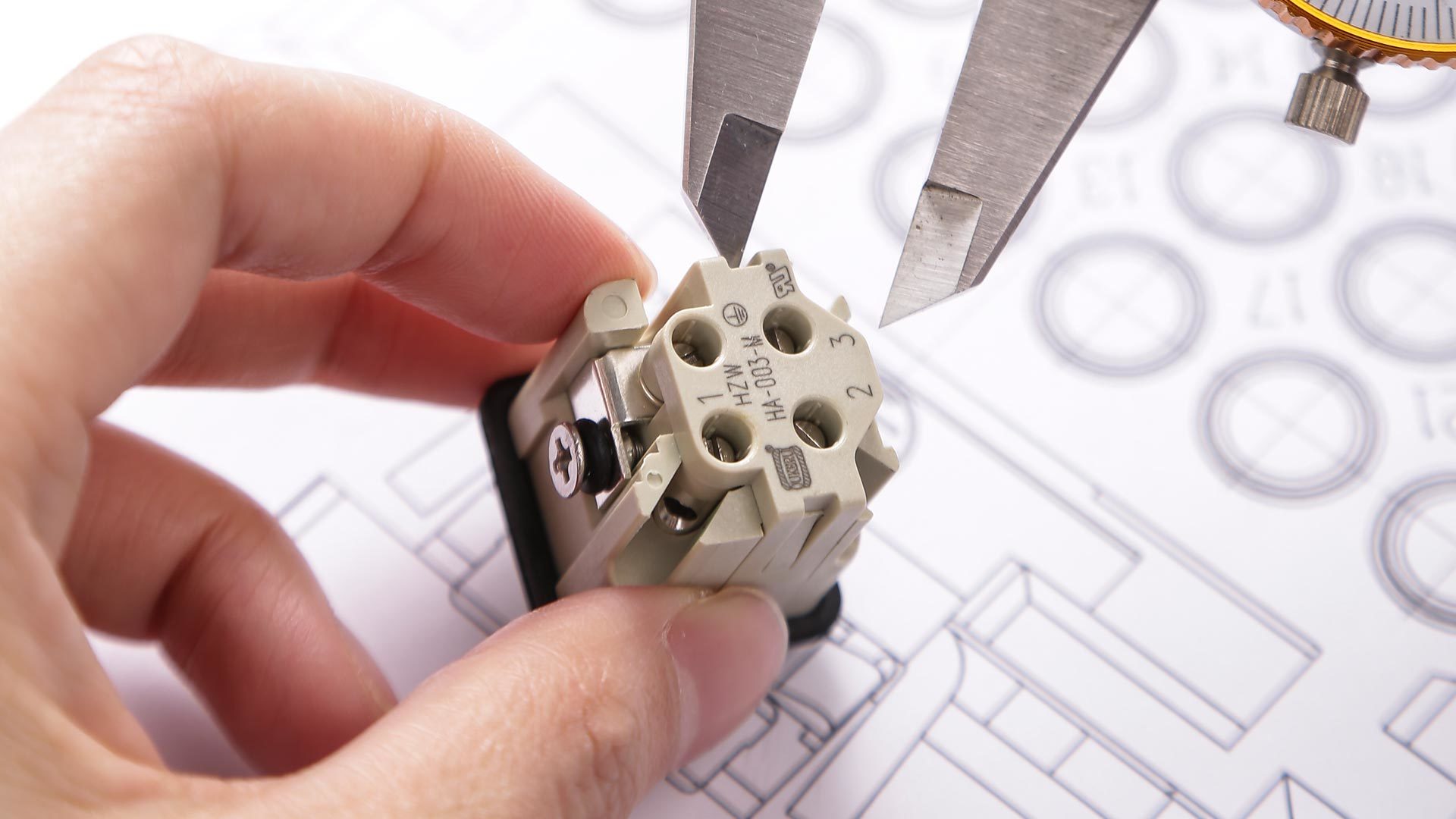
The Top Features to Look for in Heavy Duty Terminal Connectors: A Comprehensive Guide
The Top Features to Look for in Heavy Duty Terminal Connectors When it comes to electrical connections, **heavy-duty terminal connectors** play a crucial role in ensuring that systems function efficiently and safely. These connectors are designed to handle substantial electrical loads while maintaining reliability in demanding environments. Selecting the right connectors is vital for both performa


The Top Features to Look for in Heavy Duty Terminal Connectors
When it comes to electrical connections, **heavy-duty terminal connectors** play a crucial role in ensuring that systems function efficiently and safely. These connectors are designed to handle substantial electrical loads while maintaining reliability in demanding environments. Selecting the right connectors is vital for both performance and safety. This article provides an in-depth look at the key features to consider when choosing heavy-duty terminal connectors.
1. Understanding Heavy Duty Terminal Connectors
Before diving into the features, it's essential to understand what heavy-duty terminal connectors are. These connectors are specifically designed for high-current applications, including industrial machinery, automotive systems, and power distribution. They are built to withstand harsh conditions and provide a stable and secure connection.
2. Material Composition: The Backbone of Durability
The material used in the construction of terminal connectors greatly affects their performance and longevity. Here are some common materials you should consider:
2.1 Copper vs. Aluminum
- **Copper** is a popular choice due to its excellent conductivity and resistance to corrosion. It provides minimal voltage drop and reliable connection over time.
- **Aluminum**, although not as conductive as copper, is lightweight and cost-effective. It is often treated with coatings to enhance corrosion resistance.
2.2 Insulation Material
The insulation surrounding terminal connectors is equally important. Common materials include:
- **PVC (Polyvinyl Chloride)**: Affordable and widely used, but can degrade under extreme temperatures.
- **PTFE (Polytetrafluoroethylene)**: Offers excellent thermal and chemical resistance, ideal for high-temperature applications.
- **Rubber**: Flexible and resilient, providing good insulation in various environments.
3. Current and Voltage Ratings: Matching Specifications to Applications
When selecting heavy-duty terminal connectors, understanding the **current and voltage ratings** is critical. These ratings determine the maximum load the connectors can handle without overheating or failing.
3.1 Ampacity
**Ampacity** refers to the maximum amount of electrical current a conductor or connector can carry. It's essential to choose connectors that can handle the specific current demands of your application.
3.2 Voltage Ratings
Voltage ratings indicate the maximum voltage a connector can safely handle. Ensure that your connectors exceed the voltage requirements of your application to prevent electrical failures.
4. Design Features: Enhancing Performance and Safety
The design of heavy-duty terminal connectors can significantly impact their performance and ease of use. Here are some design features to look for:
4.1 Locking Mechanisms
Connectors with secure **locking mechanisms** prevent accidental disconnections. Whether through latches, clips, or screws, these features add an extra layer of reliability.
4.2 Strain Reliefs
**Strain reliefs** help protect the connection point from mechanical stress. This feature is crucial in ensuring that the wires do not pull out or become damaged during installation or operation.
4.3 Color Coding and Markings
Clear **color coding and markings** aid in quick identification and installation, minimizing the chances of errors and ensuring safety during maintenance.
5. Environmental Resistance: Adapting to Conditions
Heavy-duty terminal connectors often operate in challenging environments. Evaluating their environmental resistance can help you choose the right connectors for your specific conditions.
5.1 Temperature Resistance
Connectors rated for high or low temperatures ensure functionality in extreme conditions. Always check the temperature ratings for your application.
5.2 Moisture and Dust Protection
Look for connectors with **IP ratings** (Ingress Protection) that signify their resistance to dust and moisture. A high IP rating indicates superior protection, making it suitable for outdoor or industrial use.
5.3 Chemical Resistance
If your application involves exposure to harsh chemicals, selecting connectors made from resistant materials is crucial to prevent degradation over time.
6. Installation Considerations: Practicality and Ease of Use
The installation process should be straightforward to minimize downtime and labor costs. Consider the following aspects:
6.1 Ease of Connection
Choose connectors designed for easy and quick installation. Features like **screw terminals** or **push-fit connections** can significantly reduce installation time.
6.2 Tools Required
Evaluate whether specialized tools are needed for installation. Some connectors can be installed with standard tools, while others may require particular equipment, impacting overall convenience.
7. Compliance and Certification: Ensuring Safety Standards
When selecting heavy-duty terminal connectors, ensure they meet relevant industry standards and certifications. Compliance with safety regulations guarantees that the connectors are tested for performance and safety.
7.1 UL and CE Certification
Look for approvals from organizations like **Underwriters Laboratories (UL)** and the **Conformité Européenne (CE)**. These certifications validate that the connectors have met stringent safety and quality standards.
8. Cost vs. Quality: Making the Right Investment
While it might be tempting to choose cheaper options, investing in high-quality heavy-duty terminal connectors can save you money in the long run. **Consider the following** before making a decision:
8.1 Long-Term Reliability
Quality connectors may have a higher upfront cost but can vastly reduce the frequency of replacements and maintenance, ensuring a more cost-effective solution over time.
8.2 Warranty and Support
Check for warranties and manufacturer support. A product backed by a reliable warranty indicates the manufacturer's confidence in their product's quality.
Frequently Asked Questions (FAQs)
1. What is the difference between heavy-duty connectors and standard connectors?
Heavy-duty connectors are designed to handle higher currents and voltages, providing greater durability and reliability in demanding environments. Standard connectors may not be suitable for high-load applications.
2. Can I use heavy-duty connectors for low-voltage applications?
Yes, heavy-duty connectors can be used for low-voltage applications. However, ensure that they meet the specific voltage and current requirements of your system.
3. How do I determine the right size of connector for my project?
Evaluate the current and voltage requirements of your application and choose connectors that can handle those specifications. Refer to the manufacturer's guidelines for sizing.
4. Are heavy-duty terminal connectors waterproof?
Many heavy-duty terminal connectors offer varying degrees of moisture resistance. Look for connectors with high IP ratings for applications exposed to water or humidity.
5. How do I maintain heavy-duty terminal connectors?
Regular inspections and cleaning can help maintain the performance of heavy-duty terminal connectors. Ensure that connections are tight and check for signs of corrosion or wear.
Conclusion
Selecting the right **heavy-duty terminal connectors** is crucial for ensuring reliable and safe electrical connections in various applications. By considering features like material composition, current and voltage ratings, design elements, environmental resistance, and compliance with safety standards, you can make an informed choice that aligns with your specific needs. Investing in high-quality connectors not only enhances performance but also contributes to the longevity and efficiency of your electrical systems. Whether for industrial use, automotive applications, or power distribution, understanding these key features ensures that you make a sound investment in your electrical infrastructure.
Related news

Introduction to the China International Industry Fair The China International Industry Fair (abbreviated as “China Industry Fair” or “Industry Fair”) is one of China's longest-running national-level industrial exhibitions bearing the “China” designation. Since its inception in 1999,
READ MORE
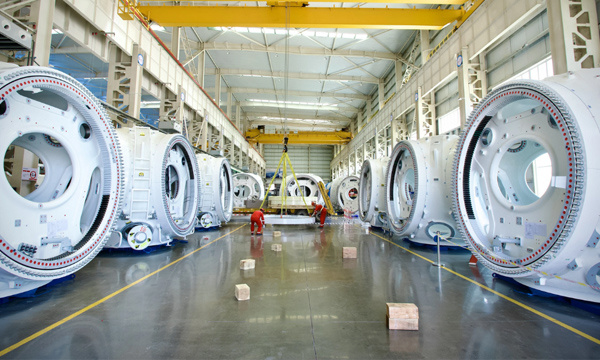
OUKERUI | New Products New inserts for rectangular connectors
On the basis of the original inserts, we have newly developed straight inserts and cold pressed pins to make the installation of heavy-duty connectors more convenient and more options
READ MORE
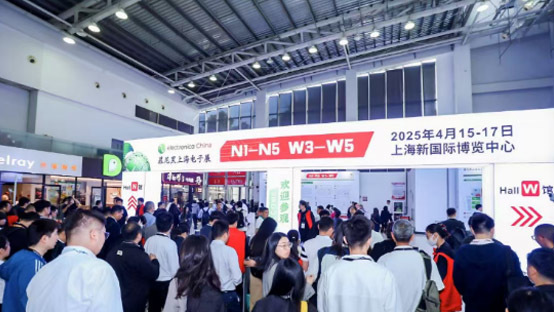
The three-day 2025 exhibition Shanghai Electronics Show (electronica China 2025) came to an end yesterday at the Shanghai New International Expo Center. As a benchmark enterprise in the field of heavy-duty connectors, Ningbo OUKERUI Connector Co., Ltd. made a stunning debut in exhibition with multiple innovative products and solutions
READ MORE
Get the latest news from OUKERUI

No.185,Songding Road,North Industry Park,Xiaolin Town,Cixi City,Ningbo,P.R.China