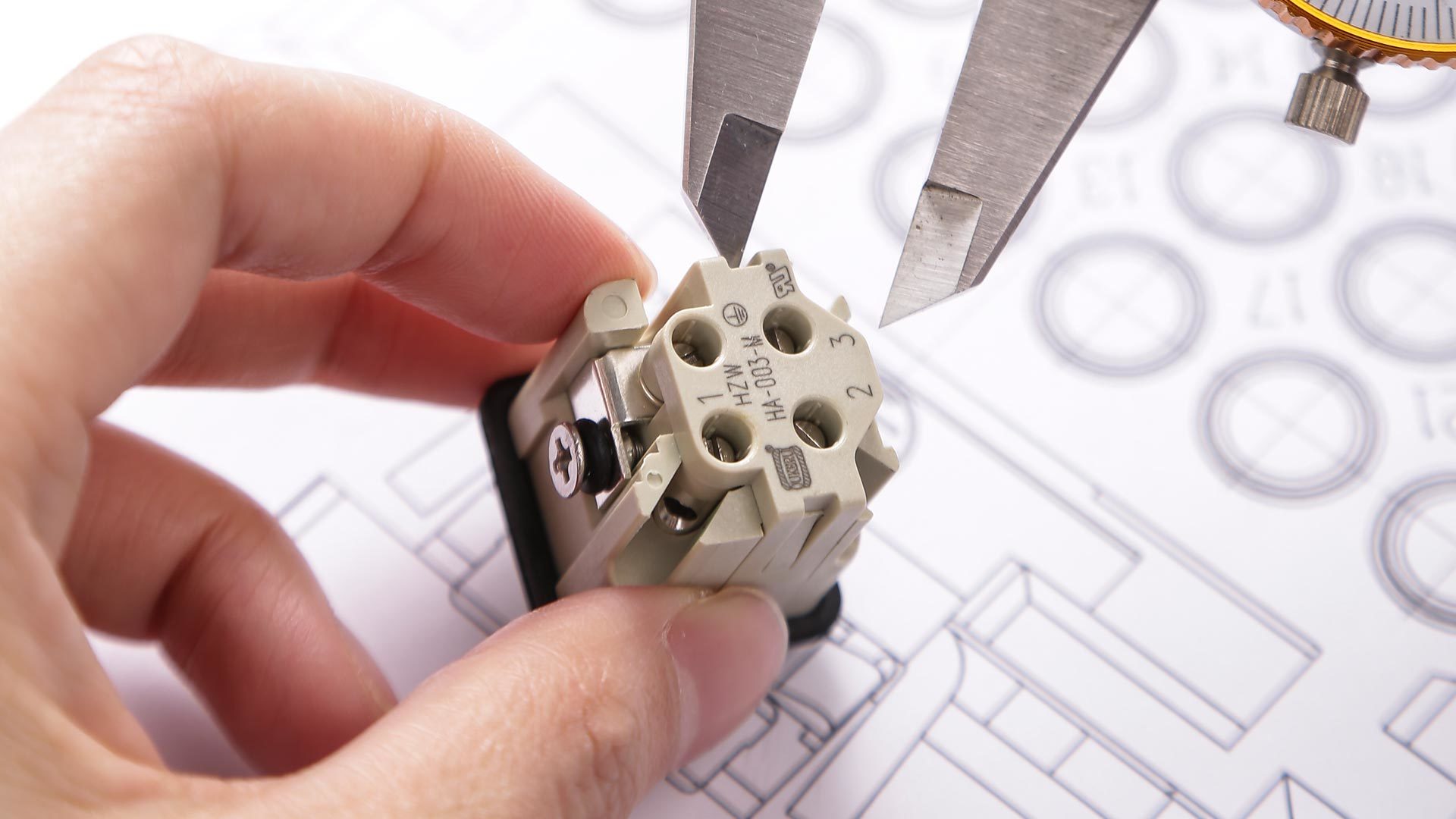
4 Pin Rectangular Connectors: A Comprehensive Guide for Electricians
4 Pin Rectangular Connectors: A Comprehensive Guide for Electricians Table of Contents 1. Introduction to 4 Pin Rectangular Connectors 2. Understanding the Design of 4 Pin Rectangular Connectors 3. Applications of 4 Pin Rectangular Connectors 4. How to Choose the Right 4 Pin Rectangular Connector 4.1 Factors to Consider 4.2 Material Choices and Their Impact 5. Installation Guidelines for 4 Pin Rec


4 Pin Rectangular Connectors: A Comprehensive Guide for Electricians
Table of Contents
1. Introduction to 4 Pin Rectangular Connectors
2. Understanding the Design of 4 Pin Rectangular Connectors
3. Applications of 4 Pin Rectangular Connectors
4. How to Choose the Right 4 Pin Rectangular Connector
4.1 Factors to Consider
4.2 Material Choices and Their Impact
5. Installation Guidelines for 4 Pin Rectangular Connectors
5.1 Essential Tools and Materials
5.2 Step-by-Step Installation Process
6. Troubleshooting Common Issues with 4 Pin Rectangular Connectors
7. Maintenance Best Practices
8. Frequently Asked Questions
9. Conclusion
1. Introduction to 4 Pin Rectangular Connectors
4 pin rectangular connectors are crucial components in the world of electrical connectivity, designed to facilitate reliable connections between various electrical devices. They are commonly used in a multitude of applications, ranging from consumer electronics to industrial machinery. Understanding the importance and functionality of these connectors can significantly enhance an electrician's skill set and efficiency.
2. Understanding the Design of 4 Pin Rectangular Connectors
The design of a 4 pin rectangular connector typically consists of a male and female part. The male connector has pins that fit into corresponding sockets in the female connector. This design ensures a secure and stable connection, minimizing the risk of electrical failure due to loose connections.
Most 4 pin connectors are made from durable materials that withstand various environmental conditions. The housing is often molded from high-quality plastics or metals, providing both insulation and protection against dust and moisture. Additionally, these connectors can feature locking mechanisms to prevent accidental disconnection during operation.
3. Applications of 4 Pin Rectangular Connectors
4 pin rectangular connectors find their place in numerous applications, including:
- **Consumer Electronics**: Used in devices like computers, televisions, and home appliances for secure power and data connections.
- **Automotive Industry**: Employed in wiring harnesses for various automotive components, ensuring reliable connections under harsh conditions.
- **Industrial Machinery**: Utilized in automation systems, robotics, and control panels where reliable connections are crucial for performance.
- **Telecommunications**: Serve as connectors for signal transmission in various telecommunication equipment.
Understanding these applications can help electricians choose the appropriate connectors for specific projects.
4. How to Choose the Right 4 Pin Rectangular Connector
Selecting the right 4 pin rectangular connector involves considering several factors to ensure optimal performance and reliability.
4.1 Factors to Consider
- **Current and Voltage Ratings**: Ensure that the connector can handle the specific current and voltage levels of your application to prevent overheating or failure.
- **Environmental Conditions**: Consider whether the connector will be exposed to moisture, dust, or extreme temperatures. Choose connectors with appropriate ratings for these conditions.
- **Connection Type**: Depending on the project, you might need connectors that provide either a secure locking mechanism or a simple plug-and-play setup.
4.2 Material Choices and Their Impact
The choice of materials significantly impacts the performance and longevity of connectors. Common materials include:
- **Plastic**: Lightweight and corrosion-resistant, ideal for low to moderate environmental stress.
- **Metal**: Offers superior strength and durability, especially in heavy-duty applications.
5. Installation Guidelines for 4 Pin Rectangular Connectors
Proper installation is key to ensuring that 4 pin rectangular connectors function as intended. Here’s how to do it effectively.
5.1 Essential Tools and Materials
Before beginning, gather the necessary tools and materials:
- Wire cutters and strippers
- Soldering iron and solder (if needed)
- Crimping tool
- Heat shrink tubing or electrical tape
- Multimeter for testing connections
5.2 Step-by-Step Installation Process
1. **Prepare Wires**: Use wire cutters and strippers to prepare the wires that will connect to the pins. Strip about 1/4 inch of insulation from the ends.
2. **Insert Wires into Pins**: Insert the prepared wires into the pins of the male or female connector, ensuring a snug fit.
3. **Secure Connections**: Depending on the type of connector, either crimp the pins using a crimping tool or solder the wires for a more permanent connection.
4. **Test Connections**: Use a multimeter to test the continuity of the connections before final assembly.
5. **Assemble the Connector**: Once all connections are verified, assemble the connector housing and ensure any locking mechanisms are secured.
6. **Provide Protection**: Use heat shrink tubing or electrical tape to provide additional insulation and protection from environmental factors.
6. Troubleshooting Common Issues with 4 Pin Rectangular Connectors
Even the best installations can encounter problems. Here are some common issues and their solutions:
- **Loose Connections**: If connectors are not fitting snugly, check for wear in the pins or sockets. Replacing worn parts may be necessary.
- **Intermittent Connections**: This could be due to corrosion or dirt buildup. Cleaning the connectors with electrical contact cleaner can resolve this.
- **Overheating**: If connectors are overheating, ensure that they are rated for the current being used. Overloading connectors can lead to failure.
7. Maintenance Best Practices
Regular maintenance can prolong the life of 4 pin rectangular connectors. Here are some best practices:
- **Regular Inspections**: Periodically check connectors for signs of wear, corrosion, or damage.
- **Clean Connectors**: Use appropriate cleaners to remove dirt and oxidation.
- **Avoid Overloading**: Always use connectors within their rated specifications to prevent overheating and damage.
8. Frequently Asked Questions
1. What is the primary use of 4 pin rectangular connectors?
4 pin rectangular connectors are primarily used to establish secure connections in various electrical applications, including consumer electronics, automotive wiring, and industrial machinery.
2. How do I select a 4 pin connector for high-temperature applications?
For high-temperature applications, choose connectors made from materials rated for higher thermal resistance, such as high-temperature plastics or metals.
3. Can I use 4 pin rectangular connectors for outdoor applications?
Yes, but ensure that the connectors are rated for outdoor use, featuring weatherproof seals and corrosion-resistant materials.
4. What tools do I need for installing these connectors?
Essential tools include wire cutters, strippers, crimping tools, and a soldering iron if soldered connections are required.
5. How can I ensure a secure connection when using 4 pin connectors?
Use the correct pin insertion technique, ensure tight fitting, and secure connections with locking mechanisms where applicable.
9. Conclusion
In summary, 4 pin rectangular connectors are indispensable in modern electrical applications, offering durability and reliability across various industries. Understanding their design, applications, and installation processes equips electricians with the knowledge to make informed choices, ensuring safe and efficient electrical connections. By adhering to best practices in maintenance and troubleshooting, electricians can extend the lifespan of these essential components, ultimately enhancing their work quality and reliability.
Related news

Introduction to the China International Industry Fair The China International Industry Fair (abbreviated as “China Industry Fair” or “Industry Fair”) is one of China's longest-running national-level industrial exhibitions bearing the “China” designation. Since its inception in 1999,
READ MORE

OUKERUI | New Products New inserts for rectangular connectors
On the basis of the original inserts, we have newly developed straight inserts and cold pressed pins to make the installation of heavy-duty connectors more convenient and more options
READ MORE

The three-day 2025 exhibition Shanghai Electronics Show (electronica China 2025) came to an end yesterday at the Shanghai New International Expo Center. As a benchmark enterprise in the field of heavy-duty connectors, Ningbo OUKERUI Connector Co., Ltd. made a stunning debut in exhibition with multiple innovative products and solutions
READ MORE
Get the latest news from OUKERUI

No.185,Songding Road,North Industry Park,Xiaolin Town,Cixi City,Ningbo,P.R.China