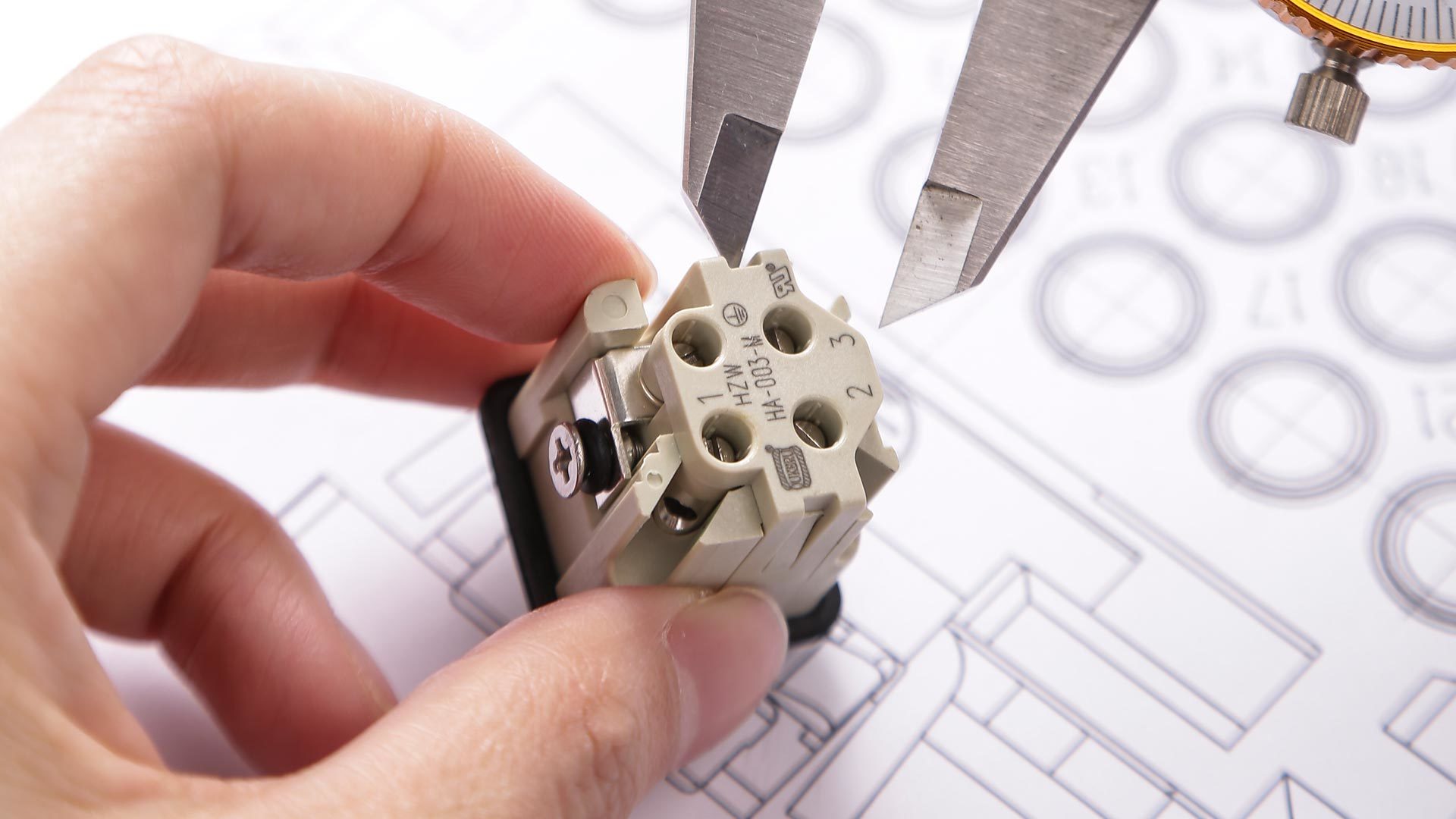
Heavy Connector Systems for Industrial Power and Structural Applications
Heavy connector is a durable industrial component designed for high current transmission, stable signal connection, and harsh environment use systemsapp


Heavy Connector Overview
Heavy connectors are robust electrical and mechanical interface components designed to transmit high current, signal data, and mechanical stability in demanding environments. They are widely used in industrial automation, rail transportation, energy systems, construction machinery, and military equipment. Their primary function is to ensure reliable and safe connections under conditions of vibration, dust, moisture, and extreme temperature.
Structural Design and Materials
Heavy connectors typically feature a reinforced housing made of aluminum alloy, zinc alloy, or high-grade engineering plastics. The contact pins are usually crafted from copper alloys with silver or gold plating to enhance conductivity and corrosion resistance. The locking mechanisms are designed with high-strength stainless steel to ensure secure mating and unmating cycles even after thousands of operations.
Electrical Performance Characteristics
These connectors support high current ratings ranging from tens to hundreds of amperes depending on configuration. They also provide multi-pin arrangements for combined power and signal transmission. Insulation resistance, dielectric strength, and contact resistance are optimized to maintain stable performance in harsh industrial environments. Shielding structures are integrated to reduce electromagnetic interference.
Applications in Industry
Heavy connectors are essential in railway systems for traction power and control circuits. In automation equipment, they connect servo motors, drives, and control cabinets. In renewable energy systems such as wind turbines and solar inverters, they ensure stable power distribution. Construction machinery like excavators and cranes rely on them for hydraulic and electronic system integration.
Environmental Resistance
Designed for rugged conditions, heavy connectors often meet IP65, IP67, or even IP69K protection standards. This ensures resistance against water ingress, dust penetration, and mechanical impact. They can operate reliably in outdoor installations, marine environments, and heavy industrial zones.
Installation and Maintenance
Modern heavy connectors are engineered for quick installation with plug-and-play designs. Modular structures allow customization of pin configurations. Regular inspection and cleaning help maintain long-term reliability and prevent contact degradation.
Future Development Trends
With increasing demand for electrification and automation, heavy connectors are evolving toward higher current density, miniaturization, and intelligent monitoring capabilities. Smart connectors with embedded sensors are being developed to track temperature, load, and connection status in real time.
Safety Standards and Compliance
Heavy connectors must comply with international standards such as IEC, UL, and ISO certifications to ensure safety and interoperability. These standards define parameters for voltage rating, thermal endurance, flame resistance, and mechanical durability. Compliance testing includes salt spray tests, vibration endurance tests, and thermal cycling to simulate real-world conditions. Manufacturers must ensure traceability of materials and production batches for quality assurance.
Customization and Modularity
Many industrial applications require customized heavy connector solutions. Modular designs allow engineers to configure power, signal, and data modules within a single connector housing. This flexibility reduces system complexity and improves maintenance efficiency. Customers can select different pin counts, current ratings, and locking styles based on specific application requirements.
Technological Integration
Modern heavy connectors are increasingly integrated with digital technologies. Some advanced models include embedded chips for identification and predictive maintenance. These smart features enable systems to detect improper connections, overheating risks, or wear conditions before failures occur. Integration with IoT platforms enhances system monitoring and operational efficiency.
Market Demand and Global Trends
The global demand for heavy connectors continues to grow due to rapid industrial automation, electric vehicle expansion, and renewable energy infrastructure development. Emerging markets are investing heavily in smart factories and transportation networks, further driving adoption. Competition among manufacturers is focused on improving durability, reducing size, and increasing current capacity.
Maintenance Best Practices
To ensure long service life, heavy connectors should be regularly inspected for dust accumulation, corrosion, and mechanical wear. Proper mating and unmating procedures should be followed to avoid pin damage. Use of protective caps and periodic lubrication of sealing components can significantly extend operational lifespan.
Related news

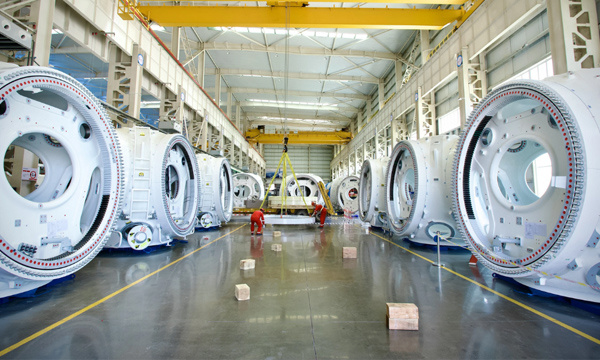
OUKERUI | New Products New inserts for rectangular connectors
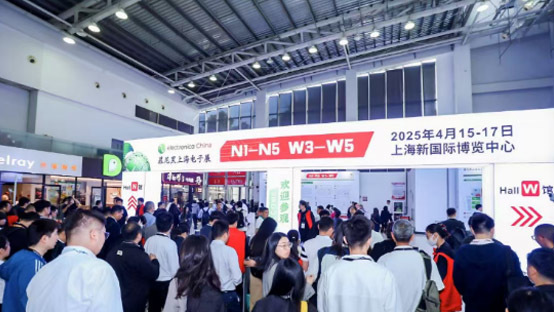
Get the latest news from OUKERUI

No.185,Songding Road,North Industry Park,Xiaolin Town,Cixi City,Ningbo,P.R.China